What Lens Coatings Are Worth Adding to Your Prescription Eyeglasses?
Discover which lens coatings are truly worth adding to your prescription eyeglasses for better comfort, glare reduction, durability, UV protection, and everyday vision clarity.
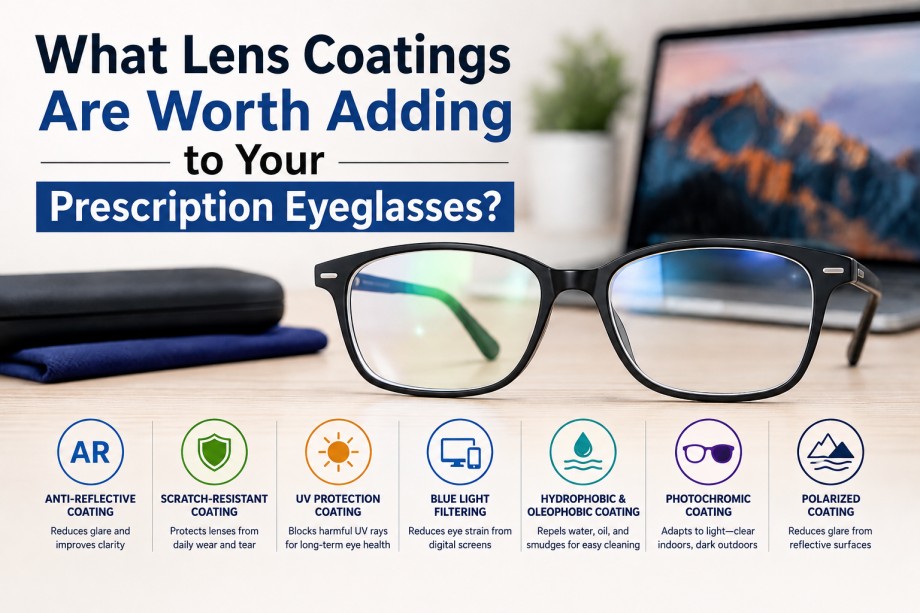
Selecting the appropriate prescription glasses involves more than just picking fashionable frames or correct lenses. Lens coatings can make a major difference in comfort, durability, vision quality, and long-term value. Many people purchasing new eyeglasses often wonder which lens coatings are truly useful and which ones are optional extras.
Whether you wear glasses for office work, driving, reading, or daily activities, the right coatings can improve your experience significantly. If you are searching for the best prescription eyeglasses in Houston for work and everyday life, understanding lens coatings can help you make a smarter investment.
Why Lens Coatings Matter
Modern eyeglass lenses are designed to do more than simply correct vision. Coatings on the lenses provide safety and better use, which help with:
Visual clarity
Eye comfort
Scratch resistance
UV protection
Durability
Ease of cleaning
Some coatings are essential for almost everyone, while others depend on your lifestyle and work environment.
Anti-Reflective (AR) Coating
Anti-reflective coating is one of the most valuable lens upgrades available today. It reduces glare and reflections on your lenses, allowing more light to pass through for clearer vision.
Benefits of AR Coating
Reduces glare from screens and headlights
Improves night driving visibility
Makes lenses appear clearer in photos and video calls
Reduces eye strain during computer use
Enhances overall visual sharpness
Who Should Get It?
AR coating is highly recommended for:
Office workers
Remote workers
Students
Frequent drivers
Anyone using digital screens daily
For most people, anti-reflective coating is absolutely worth adding because it improves both comfort and appearance.
Scratch-Resistant Coating
Most modern lenses already include some level of scratch resistance, but higher-quality scratch-resistant coatings provide better durability.
Prescription lenses can become damaged from:
Daily handling
Dust and debris
Accidental drops
Cleaning mistakes
Benefits
Extends lens lifespan
Helps maintain clear vision
Reduces visible surface damage
Protects lens investment
Is It Worth It?
Yes. Especially if:
You wear glasses full time
You have children
You work in active environments
You frequently travel
Scratch-resistant coatings help keep your glasses looking new longer.
Blue Light Filtering Coating
Blue light coatings have become increasingly popular due to long hours spent on digital devices.
Phones, laptops, tablets, and LED lighting emit blue light that may contribute to digital eye strain.
Potential Benefits
Reduces screen glare
Helps decrease eye fatigue
Improves viewing comfort
May support better sleep habits when using screens at night
Who Benefits Most?
Blue light filtering can be useful for:
Office employees
Gamers
Students
Remote workers
People spending 6+ hours on screens daily
Although blue light coatings are not medically required for everyone, many users report improved comfort during extended screen use.
UV Protection Coating
Ultraviolet (UV) radiation can impact eye wellness gradually, even in overcast weather. A lot of good lenses come with UV protection, but it's crucial to check this before buying eyewear.
Benefits
Helps protect eyes from harmful UV rays
Supports long-term eye health
Useful for outdoor activities and driving
Hydrophobic and Oleophobic Coatings
These coatings help repel:
Water
Oil
Smudges
Fingerprints
Hydrophobic coatings prevent water droplets from sticking to lenses, while oleophobic coatings resist oily residue.
Benefits
Easier lens cleaning
Fewer smudges
Clearer vision during rain or humidity
Better overall lens appearance
Best For
People living in humid climates
Active lifestyles
Frequent outdoor use
Anyone frustrated by constantly cleaning lenses
These coatings improve convenience and reduce maintenance.
Photochromic (Transition) Coating
Photochromic lenses automatically darken in sunlight and return clear indoors.
They combine regular eyeglasses and sunglasses into one pair.
Benefits
Convenient light adaptation
Reduces brightness outdoors
Provides UV protection
Eliminates need to switch glasses
Who Should Consider It?
Photochromic coatings are useful for:
People frequently moving indoors and outdoors
Drivers
Outdoor workers
Individuals sensitive to sunlight
However, dedicated sunglasses may still perform better in extremely bright conditions.
Mirror Coatings
Mirror coatings add a reflective finish to sunglasses and certain specialty lenses.
Benefits
Reduces glare
Improves comfort in bright sunlight
Adds modern style
Best Use Cases
Outdoor sports
Beach environments
High-sunlight conditions
For regular everyday eyeglasses, mirror coatings are usually more about style than necessity.
Polarized Lens Coating
Polarized coatings reduce glare from reflective surfaces such as:
Roads
Water
Car hoods
Snow
Benefits
Improves driving comfort
Reduces eye strain outdoors
Enhances outdoor visibility
Ideal For
Drivers
Fishermen
Outdoor enthusiasts
Frequent travelers
Polarization is especially valuable in prescription sunglasses.
Which Lens Coatings Are Most Worth Adding?
If you want the best balance between comfort, durability, and value, these coatings are usually the most worthwhile:
Most Recommended Coatings
1. Anti-Reflective Coating
Essential for everyday clarity and screen use.
2. Scratch-Resistant Coating
Protects your investment.
3. UV Protection
Important for long-term eye health.
4. Hydrophobic/Oleophobic Coating
Makes lenses easier to maintain.
5. Blue Light Filtering
Helpful for heavy digital device users.
How to Choose the Right Lens Coatings
The best lens coatings depend on your lifestyle and daily routine.
For Office Workers
Choose:
Anti-reflective coating
Blue light filtering
Scratch resistance
For Outdoor Use
Choose:
UV protection
Polarized lenses
Photochromic options
For Everyday Wear
Choose:
AR coating
Scratch-resistant coating
Smudge-resistant coating
For Driving
Choose:
Anti-glare coating
Polarized sunglasses
UV protection
Conclusion
Lens coatings are not just optional add-ons; many provide real, everyday benefits. The right coatings can improve visual comfort, reduce glare, protect your eyes, and help your glasses last longer.
For most people, anti-reflective coating, UV protection, and scratch resistance are highly worthwhile upgrades. Additional options, such as blue-light filtering or photochromic lenses, can further enhance comfort depending on your lifestyle.
.webp)
.webp)