Why Do My Glasses Give Me Headaches? Common Causes and When to See an Optician
Headaches after wearing glasses can come from prescription changes, frame pressure, incorrect lens positioning, or an adjustment period. Learn what may be causing the discomfort, what you can check at home, and when it’s time to have your glasses examined by an optician.
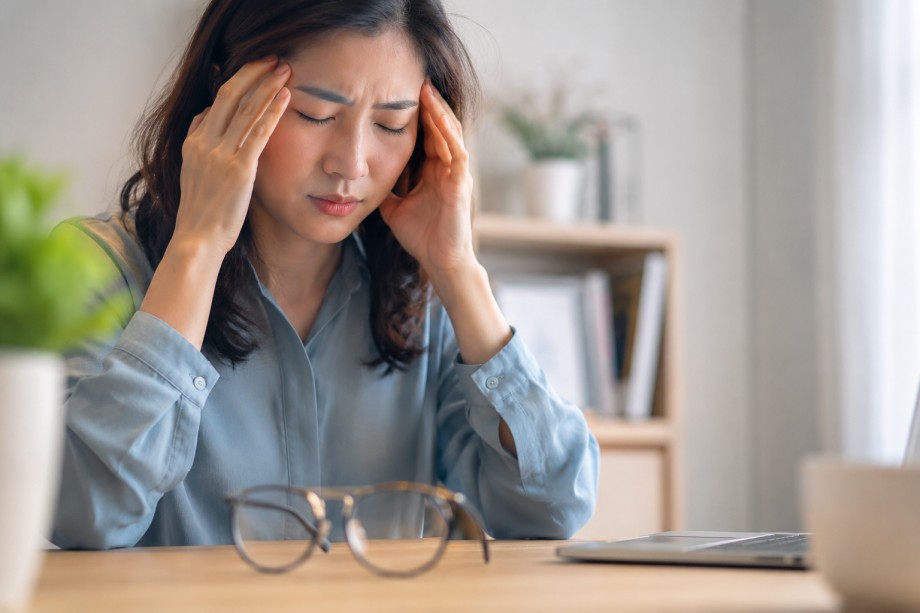
Getting a new pair of glasses is supposed to make your vision easier—not leave you reaching for a pain reliever by the afternoon.
Yet headaches after wearing glasses are fairly common. Sometimes the cause is simple: your eyes are adjusting to a new prescription or lens design. In other cases, the glasses may not fit correctly, the prescription may be inaccurate, or the lenses may not be positioned properly in front of your eyes.
The important part is knowing the difference.
If your headache keeps returning every time you put your glasses on, it is worth finding out why instead of assuming you need more time to adjust.
Why Can Glasses Cause Headaches?
Your glasses change the way light enters your eyes. When the prescription, lens positioning, or frame fit isn't right, your visual system may have to work harder than it should.
That extra effort can show up as:
A dull headache around the forehead
Pressure behind or around the eyes
Aching near the temples
Eye fatigue after reading or computer work
Difficulty concentrating on nearby text
Blurry or fluctuating vision
Feeling uncomfortable after wearing your glasses for several hours
The headache itself isn't necessarily caused by the lenses being “too strong.” There are several possible reasons.
1. Your Prescription May Be Different From What You Need
One of the first things to consider is the prescription itself.
If your lenses are too strong, too weak, or have an incorrect cylinder or axis for astigmatism, your eyes may struggle to maintain clear, comfortable vision. Even a relatively small prescription issue can become noticeable when you wear the glasses for extended periods.
This can be particularly frustrating with a new pair because the glasses may seem clear at first. You can read the sign across the room, recognize faces, and see your phone—but after a few hours, your forehead starts to ache.
Clear vision and comfortable vision aren't always the same thing.
If headaches continue rather than gradually improving, have the prescription checked.
2. Your Eyes May Still Be Adjusting
A new prescription can feel strange even when it is correct.
Your brain has to adapt to changes in lens power, astigmatism correction, or the way images are positioned through the lenses. This is especially noticeable when moving from one prescription to another or switching to a different type of lens.
You might notice mild eye fatigue, a feeling that objects look slightly different, or temporary discomfort during the first few days.
That doesn't automatically mean something is wrong.
However, persistent or worsening headaches shouldn't simply be dismissed as an adjustment period. If the discomfort isn't settling, an optician or eye-care professional can check whether the glasses are actually meeting your prescription and fitting requirements.
3. Your Frames May Be Putting Pressure on Your Head
Sometimes the lenses aren't the problem at all.
A frame that is too tight can press against your temples or behind your ears. Nose pads that aren't adjusted properly can also create pressure. If the temples grip your head too firmly, you may develop a headache that gets worse the longer you wear the glasses.
Look at where the discomfort starts.
If the pain appears mainly around your temples, ears, or the bridge of your nose, frame fit deserves attention.
Choosing a frame that suits your face shape can also make a difference in overall fit and comfort. If you're unsure which styles work best for you, learn how to find your face shape and choose the right eyeglass frames.
4. The Lenses May Be Positioned Incorrectly
Where your eyes sit behind the lenses matters.
Your pupils need to line up appropriately with the optical centers of the lenses. If the measurements used to make the glasses are inaccurate—or if the frame sits differently on your face than expected—the lenses may not be positioned correctly relative to your eyes.
This can be more noticeable with stronger prescriptions and certain lens designs.
A glasses prescription alone isn't the entire story. Measurements such as pupillary distance and, depending on the lens design, fitting heights and other frame measurements can affect how comfortably the lenses perform.
If your new glasses give you headaches despite having the correct prescription, ask the optical professional to check the lens positioning and measurements.
5. Progressive Lenses Can Take More Time to Adapt To
Progressive lenses contain multiple viewing zones within one lens. Instead of having separate areas for distance, intermediate, and near vision, the wearer moves their eyes and head through different parts of the lens.
That design can require an adjustment period.
You may initially notice that reading feels different, peripheral areas appear less clear, or you need to move your head more deliberately to find the right viewing zone.
But there is a difference between normal adaptation and an incorrectly fitted progressive lens.
If you continue experiencing headaches, dizziness, eye strain, or difficulty finding a comfortable viewing area, return to the optical shop. The frame position and measurements should be checked rather than simply assuming you need to keep wearing them.
6. Your Glasses May Be Sitting Incorrectly
Frames don't always stay where they were intended to sit.
They can slide down your nose, tilt to one side, sit too high, or become crooked after being handled repeatedly. When that happens, the relationship between your eyes and lenses changes.
You may find yourself constantly lifting the glasses back into place or tilting your head to see clearly.
That's a sign the frame needs attention.
An optician can evaluate how the glasses sit on your face and make adjustments so the lenses remain in the intended position.
7. You're Wearing Glasses That Don't Match Your Current Vision
Another possibility is that your prescription has changed.
If you've been using the same glasses for several years and recently started experiencing headaches, squinting, blurred vision, or difficulty reading, the issue may not be the frame itself.
Your eyes may simply need a new prescription.
This is especially worth considering if your symptoms appear during tasks that used to feel effortless, such as reading a menu, driving, working at a computer, or looking at small print.
When Should You See an Optician?
A mild adjustment period can happen with new glasses, but recurring discomfort deserves attention.
Consider returning to your optician if:
Headaches occur whenever you wear the glasses
The discomfort continues after several days of regular use
You see clearly in one situation but struggle in another
Your glasses feel tight or uncomfortable
The frame keeps sliding or sitting crooked
You experience eye strain while reading or using a computer
Your vision seems distorted through the lenses
You feel dizzy or uncomfortable when moving your head
Your new glasses feel noticeably different from what you expected
An optical professional can check the frame, lens measurements, positioning, and whether the lenses correspond to the prescribed correction.
If the prescription itself needs reassessment, an eye examination may also be appropriate.
Don't Ignore Sudden or Severe Symptoms
Not every headache associated with glasses is actually caused by the glasses.
If you develop a sudden, severe headache, sudden vision loss, double vision, significant eye pain, weakness, confusion, or other unusual neurological symptoms, don't assume your eyewear is responsible. Seek prompt medical attention.
Glasses-related discomfort is usually something an optical professional can investigate, but unusual or severe symptoms shouldn't be treated as a simple fitting problem.
What Can You Check Before Your Appointment?
Before visiting an optician, pay attention to when the headache happens.
Ask yourself:
Does it start immediately?
This may point toward frame pressure, lens positioning, or a significant prescription issue.
Does it appear after reading or computer work?
Your prescription, near-vision needs, working distance, or lens design may need to be evaluated.
Does it happen only with your new glasses?
Compare them with your previous pair. A change in prescription, measurements, or lens design may explain the difference.
Does the frame feel tight?
Check whether the temples, nose pads, or bridge are creating pressure.
Does the headache disappear when you remove the glasses?
That is useful information to tell your optician, although it doesn't by itself identify the cause.
Keeping track of these details can make the fitting conversation much more productive.
How an Optician Can Help
You don't necessarily need to replace your glasses immediately.
An optician can inspect the frame and lenses and look for practical problems such as:
Frame alignment
Temple pressure
Nose-pad positioning
Lens centering
Pupillary distance measurements
Lens power and markings
Progressive lens fitting measurements
How the frame sits on your face
Sometimes a small adjustment is all that's needed.
In other situations, the lenses may need to be remade,, or an eye-care professional may need to review your prescription.
The goal isn't simply to make the glasses look right. They should sit comfortably and allow you to use your vision without unnecessary strain.
Conclusion
Headaches from glasses shouldn't automatically be accepted as part of wearing eyewear.
A new prescription can take some time to feel natural, but ongoing headaches may indicate a problem with the prescription, lens measurements, frame fit, lens positioning, or the type of lenses you're wearing.
If your glasses consistently leave you with a headache, don't keep forcing yourself to wear them and hope the problem disappears. Have the glasses checked by an optician. A simple adjustment may solve the issue—or the checkup may reveal that your prescription needs another look.
Comfort matters just as much as clear vision. The right pair of Eyeglasses should help you see comfortably throughout the day, not become the reason you want to take them off.


.webp)
.webp)