Glasses Bent Out of Shape? What You Can Check at Home and What to Leave to an Optician
Learn how to identify bent or crooked glasses, which frame issues you can safely inspect at home, and when an optician should handle adjustments or repairs.
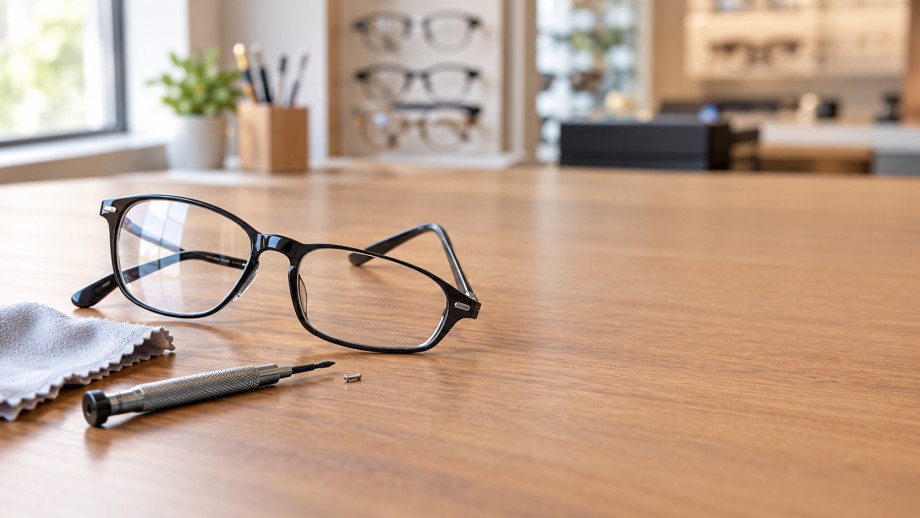
You notice it while looking at your phone: one side of your glasses sits lower than the other. You push the frame up, but it tilts again a few minutes later. Perhaps the glasses slipped off your bedside table, or one arm caught on your shirt while you were taking them off.
A frame that no longer sits properly can be annoying, but it does not always mean you need a replacement pair. The first step is to work out whether the problem comes from a loose hinge, displaced nose pad, damaged frame, or a change in the way the glasses fit your face.
There are a few things worth checking at home. However, trying to bend the frame back without knowing where the problem lies can make the damage worse.
Your Glasses Look Crooked, but Where Did the Change Happen?
Before attempting any repair, notice how the glasses behave when you wear them.
If one lens sits higher than the other, the temples may no longer be aligned correctly. If the frame slides down repeatedly, the nose pads, bridge fit, or temple position may need attention. A loose arm that swings outward can indicate a hinge problem rather than a bent frame.
These differences matter because each problem requires a different solution. Straightening the front of the frame will not necessarily fix a loose hinge, and tightening a screw will not correct every case of uneven fit.
Three Checks You Can Make Without Bending the Frame
1. See whether one arm moves differently
Open both temples slowly and compare how they move. Notice whether one arm feels unusually loose, catches during movement, or refuses to fold smoothly.
Do not force a stiff hinge or repeatedly open and close a loose one. If a screw is missing or the hinge looks damaged, leave the repair to an optician. Applying pressure to the hinge can damage the surrounding frame.
2. Check how the glasses rest on your face
Wear your glasses normally and look straight ahead in a mirror. Check whether the frame sits comfortably across your nose and whether either side presses against your cheek or eyebrow.
Next, remove the glasses and look for visible cracks, gaps around the lenses, or an unusual bend. Remember that frames are not always perfectly symmetrical by design, so a slightly uneven appearance does not automatically mean something is wrong.
3. Inspect the nose pads and clean the contact points
If your glasses have adjustable nose pads, look for a pad that appears loose, displaced, or visibly different from the other. Dirt and skin residue around the pads can also affect how the frame rests on your nose.
Wash the glasses with lukewarm water and a little lotion-free dish soap, then dry them with a clean microfiber cloth. Avoid hot water and household cleaning products.
If the glasses still slide or tilt after cleaning, they may need a professional fit adjustment. Do not squeeze the nose-pad arms together or pull them apart yourself.
The Home Repair That Can Make Things Worse
A common mistake is to bend the side that looks crooked until the glasses appear level in a mirror. The problem is that the visible tilt may originate somewhere else.
For example, forcing one temple downward might change how the frame rests on your ears without correcting the original alignment. Heating plastic frames with a hair dryer or hot water is also risky because excessive heat can deform the material or damage the lenses and their coatings.
Avoid twisting the bridge, pushing directly against the lenses, or using glue on a broken hinge. Rimless glasses need particular care because their lenses and small mounting components can be vulnerable to pressure.
A useful rule: inspect the frame at home, but do not reshape it unless you have the appropriate expertise and equipment.
When a Bent Frame Needs an Optician
Some frame problems are difficult to judge from appearance alone. An optician can inspect the frame while considering how it sits on your face.
Professional attention is especially useful when:
The glasses remain crooked even after cleaning and checking the hinges.
One temple sits higher, sticks outward, or presses behind your ear.
A nose pad is loose or the frame keeps slipping down.
A lens appears tilted or no longer fits securely in its rim.
The frame has a crack, damaged hinge, or missing component.
The glasses feel different after being dropped, stepped on, or squeezed inside a bag.
An optician can determine whether the frame needs a minor adjustment, a component replacement, or a more substantial repair. Not every damaged frame can be restored safely, so the condition and construction of the glasses will influence the options.
If the glasses suddenly cause persistent blur, distortion, headaches, or dizziness after being bent, arrange an assessment rather than trying to adjust them repeatedly. Sudden or significant vision changes may need prompt eye-care evaluation.
Does the Type of Frame Affect the Repair?
Yes. A repair method that works for one frame may be unsuitable for another.
Plastic and acetate frames: These may require controlled heating and carefully applied pressure during professional adjustment. Home heating can damage their shape or finish.
Metal frames: A thin temple or hinge can bend under pressure, but repeated manipulation may weaken the metal.
Rimless glasses: Avoid applying force near the lens holes, screws, or mounting points. Damage in these areas may require specialist attention.
Memory-metal frames: Some designs are made to flex more readily than conventional metal frames, but they are not indestructible. A damaged hinge or distorted component still needs inspection.
The safest approach depends on the actual frame, not simply whether it feels flexible in your hands.
How to Stop Your Glasses from Becoming Crooked Again
Small habits can reduce the strain placed on your frames.
Use both hands when removing your glasses instead of pulling one temple away from your face. Store them in a protective case when they are not being worn, and avoid placing them loose in a bag where heavier objects can press against them.
Keep glasses away from excessive heat, particularly on a car dashboard. Before sitting down, check that you have not left them on a chair or sofa. If the frame begins slipping or feeling uneven repeatedly, arrange an adjustment instead of pushing it back into position each day.
These precautions are particularly helpful if you wear the same pair for long working hours.
Should You Repair Bent Glasses or Replace Them?
A frame that has shifted slightly may only need an adjustment. A cracked bridge, badly damaged hinge, or broken rim can be a different matter.
Before replacing your glasses, ask an optician to assess the damage. The availability of replacement parts, the frame material, and the condition of the lenses will help determine whether repair is practical.
If you need new lenses as well, mention any changes in comfort or vision. The frame's fit and the position of the lenses both matter when the glasses are worn.
Frequently Asked Questions
Can I straighten my glasses with my hands?
It is safer to avoid bending them by hand. You may put pressure on the wrong part of the frame or damage a hinge, lens rim, or nose-pad support. Inspect the glasses and seek a professional adjustment if the frame remains crooked.
Why do my glasses keep slipping down my nose?
Possible causes include loose or poorly positioned nose pads, temples that do not hold securely, a frame that does not fit your face well, or changes in frame alignment. Cleaning the contact points is a reasonable first step. Persistent slipping calls for a fit check.
Can bent glasses affect the way I see?
Yes. If the frame changes the position of the lenses in front of your eyes, your vision may feel different. Persistent blur or distortion should be assessed rather than corrected by repeatedly bending the frame.
Can an optician repair glasses that have been stepped on?
Sometimes. The outcome depends on whether the damage is limited to alignment or includes cracks, broken hinges, damaged lens edges, or distorted mounting points. Have the glasses inspected before deciding whether they can be repaired.
Get the Fit Checked Before the Damage Gets Worse
Glasses that sit crooked are not always beyond repair. A loose hinge, displaced nose pad, or minor alignment issue may be manageable with the right adjustment. The important thing is to identify the problem without applying unnecessary pressure to the frame.
If your glasses no longer sit comfortably, keep slipping, or look different after an accident, have an optician inspect them before attempting a repair yourself. A proper fit check can help protect your frames and lenses while making your glasses more comfortable to wear.
If your glasses still feel uneven or uncomfortable, visit Modern Opticals, your Houston-area optical store for assistance with your eyewear needs.

.webp)
.webp)